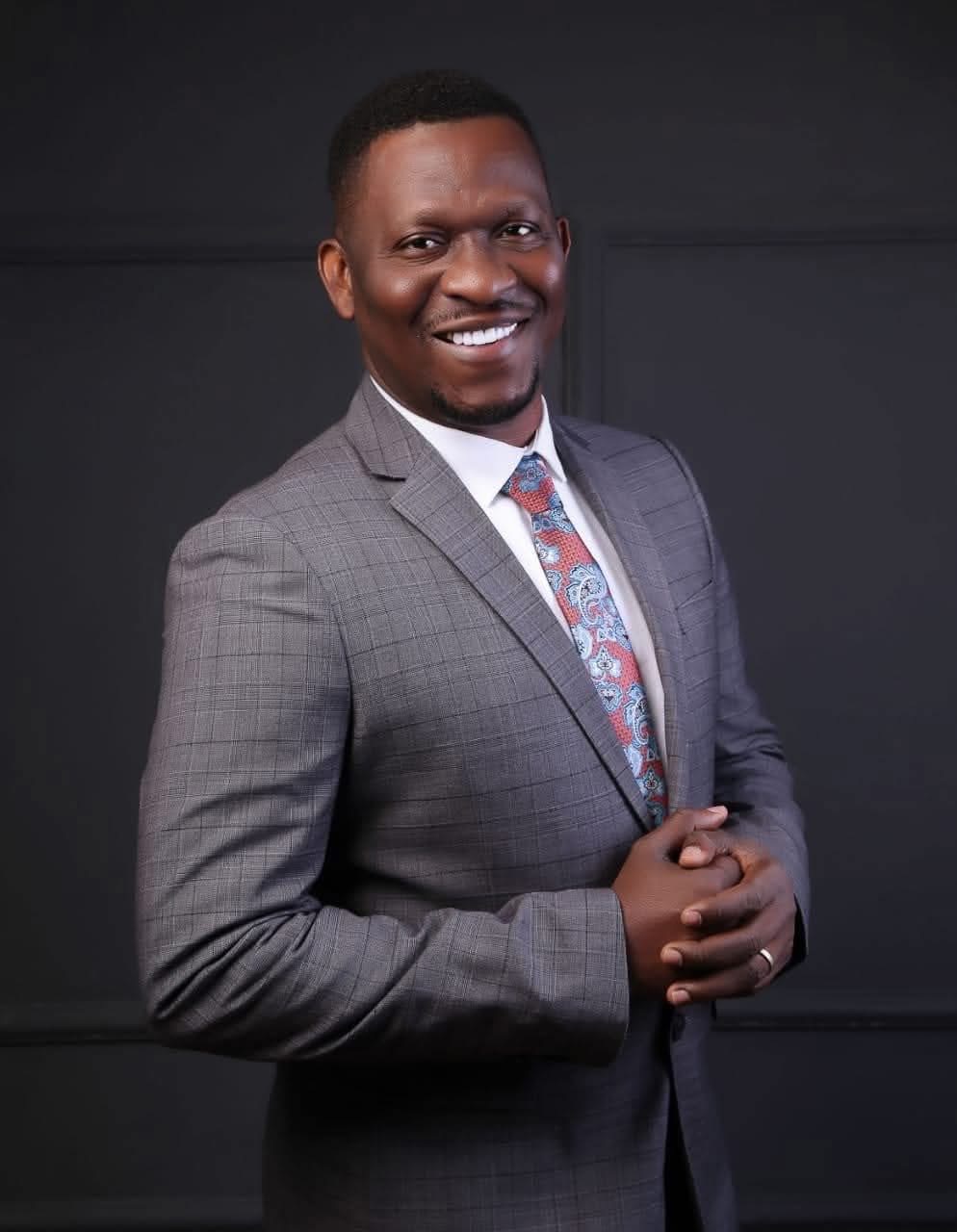
Yenagoa, Bayelsa State – Members and supporters of the Peoples Democratic Party (PDP) in Bayelsa State have commended the leadership of the State Chairman, Hon. Barr. Alabh George Turnah, MON, describing his stewardship as a source of renewed hope and unity within the party.
The commendations followed the release of Turnah's Democracy Day message in which he urged Bayelsans not to lose hope despite prevailing challenges, assuring them that "joy is coming."
In the widely circulated statement, the PDP chairman emphasized the principles of democracy, unity, justice, and progress, while calling on citizens to remain steadfast and optimistic about the future of the state.
Several party faithfuls who spoke to journalists said Turnah's message reflects the aspirations of many Bayelsans who desire peace, development, and a stronger democratic culture.
A PDP supporter in Yenagoa noted that Turnah has demonstrated commitment to strengthening party structures and fostering reconciliation among members.
"His leadership style has brought renewed confidence to party supporters. He continues to preach unity and inclusiveness, which are critical for the growth of both the party and the state," the supporter said.
Others described the chairman as a bridge-builder whose efforts have helped sustain cohesion within the PDP despite political challenges.
According to them, the Democracy Day message resonated with many residents because it acknowledged present difficulties while offering a vision of hope and prosperity.
Political observers also noted that Turnah's emphasis on people-centered governance aligns with democratic ideals and reinforces the PDP's commitment to serving the interests of ordinary citizens.
In his message, Turnah stressed that power ultimately belongs to the people and that collective determination remains the foundation of true democracy. He further encouraged Bayelsans to work together in promoting peace, unity, and development across the state.
As Nigeria marked Democracy Day 2026, many PDP faithful expressed confidence that the party under Turnah's leadership would continue to play a significant role in advancing democratic values and promoting progress in Bayelsa State.
The recurring theme from supporters was one of optimism, captured in the chairman's message: "Despair not. Hope is alive. Joy is coming."
TVAFRICA24 CEO BARAKUMO ODEDE CELEBRATES WILSON AYAKPO DAUYEGHA, WAD, ON BIRTHDAY
Yenagoa, Bayelsa State – The Chief Executive Officer of TVAFRICA24, Mr. Barakumo Odede, has congratulated renowned Bayelsa politician and former member of the Bayelsa State House of Assembly, Hon. Wilson Ayakpo Dauyegha (WAD), on the occasion of his birthday.
In a statement issued on Thursday, Odede described Dauyegha as an accomplished leader, grassroots mobilizer, and dedicated public servant whose contributions to the political and socio-economic development of Bayelsa State have earned him admiration and respect across the state.
According to the TVAFRICA24 CEO, the former lawmaker, who represented Ekeremor Constituency II in the Bayelsa State House of Assembly, has remained steadfast in his commitment to the welfare of his people and the advancement of democratic governance.
Odede commended Dauyegha's leadership qualities, noting that his years of service in public office were marked by dedication, integrity, and a strong desire to improve the lives of constituents and promote sustainable development.
"Hon. Wilson Ayakpo Dauyegha is a leader whose impact extends beyond politics. His commitment to community development, empowerment of young people, and support for initiatives that foster growth and unity have distinguished him as a respected statesman and role model," Odede said.
He further praised the celebrant for his enduring contributions to society and his continued engagement in issues affecting the growth and progress of Bayelsa State.
"As you celebrate another year today, I join your family, friends, associates, and numerous well-wishers in thanking God for your life and achievements. Your dedication to service and your passion for the development of your people remain worthy of commendation," he added.
Odede prayed for God's continued guidance, good health, wisdom, and strength for Dauyegha, expressing confidence that the former lawmaker would continue to contribute meaningfully to the development of Bayelsa State and Nigeria.
The birthday celebration has attracted goodwill messages from political associates, community leaders, and admirers who continue to acknowledge Dauyegha's legacy of service and leadership.
*Doppels Homes Headlines Abuja’s Most Talked-About Comedy Show – Funny Bruno Live in Abuja: “Next Level”*
Abuja is set to witness one of its biggest entertainment spectacles as Funny Bruno Live in Abuja: Next Level takes center stage, headlined by the prestigious real estate brand, Doppels Homes.
Positioning itself at the forefront of lifestyle, luxury, and urban development, Doppels Homes is bringing its signature excellence into the entertainment space, powering what is already being described as Abuja’s most talked-about comedy event.
With a strong commitment to innovation and premium living, the brand’s involvement elevates the show into a high-profile experience that blends elite entertainment with corporate influence.
The “Next Level” edition of Funny Bruno Live promises nothing short of brilliance, featuring top-tier comedians and delivering a night filled with energy, laughter, and unforgettable moments.
As the headline sponsor, Doppels Homes is not just supporting a show—it is shaping an experience, reinforcing its presence as a brand that defines class, prestige, and forward-thinking excellence in Abuja’s social and corporate scene.
This event stands as a celebration of creativity, culture, and collaboration, with Doppels Homes leading the charge in redefining entertainment standards in the capital.
Democracy Day With a Difference: Jokez & Jamz Special Set to Light Up Transcorp Hilton Abuja
This year's June 12 Democracy Day celebration promises a unique blend of laughter, music and relaxation as residents of the Federal Capital Territory (FCT) prepare for an unforgettable evening of entertainment at the prestigious Transcorp Hilton Hotel, Abuja.
Tagged "Jokez & Jamz", the event is designed to provide a refreshing atmosphere for Nigerians to commemorate Democracy Day through comedy, live music and premium hospitality.
The star-studded comedy lineup features some of the country's finest entertainers, including Funnybone, Chuks D General, Akpororo, Ajebo, Atela, Busymouth, MC Miti, MC Fresh, Senior Man, Xperience, Kennyzeeco and several other notable comedians who are expected to keep guests laughing throughout the evening.
Veteran Nollywood actor, Richard Mofe-Damijo (RMD), will host the event, while acclaimed musicians Timi Dakolo, Cobhams Asuquo, Faze and DJ Fancy will provide soulful melodies and electrifying performances, alongside other top artistes.
Organised by Eventdotcom in collaboration with Transcorp Hilton Hotel, the Democracy Day special is expected to attract fun seekers and entertainment lovers from across Abuja and its environs.
According to the organisers, the event will commence at 6 p.m., and residents of the FCT have been encouraged to come out in large numbers to celebrate the nation's democratic journey in an atmosphere filled with laughter, music and memorable experiences.
With an impressive array of comedians and musical stars, Jokez & Jamz promises to make the 2026 Democracy Day celebration one of the most exciting and entertaining events on Abuja's social calendar.
Former Mauritius President, First Ladies, Healthcare Professionals to Converge in Abuja for Vickyheldan Foundation's Annual Health Conference
The Vickyheldan Empowerment Foundation has announced plans for the 2026 edition of its flagship Her Health, Her Power Conference Africa, a dynamic annual gathering dedicated to advancing women's health and leadership across the African continent.
The conference is scheduled to hold on August 21, 2026, at the Shehu Musa Yar'Adua Centre, Abuja, Nigeria, and will bring together healthcare professionals, policymakers, industry leaders, advocates, community leaders, students, activists, and women from diverse backgrounds to explore the critical role of women's wellbeing in driving sustainable development across Africa.
With the theme, "Leading With Wellness for a Sustainable Africa," the conference seeks to provide a comprehensive and inclusive platform for addressing some of the most pressing issues affecting women's health.
It will also serve as a timely opportunity to bridge knowledge gaps, tackle emerging challenges, and identify evidence-based solutions as women's health continues to receive increasing attention within global health agendas.
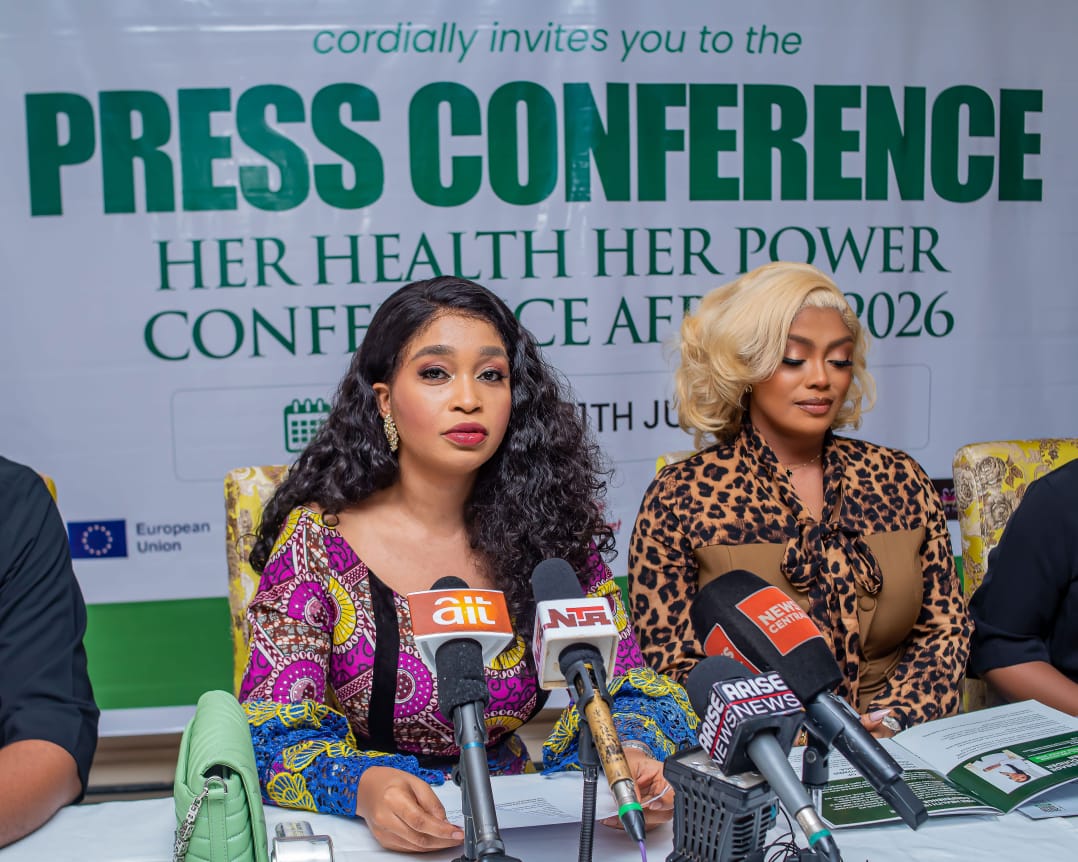
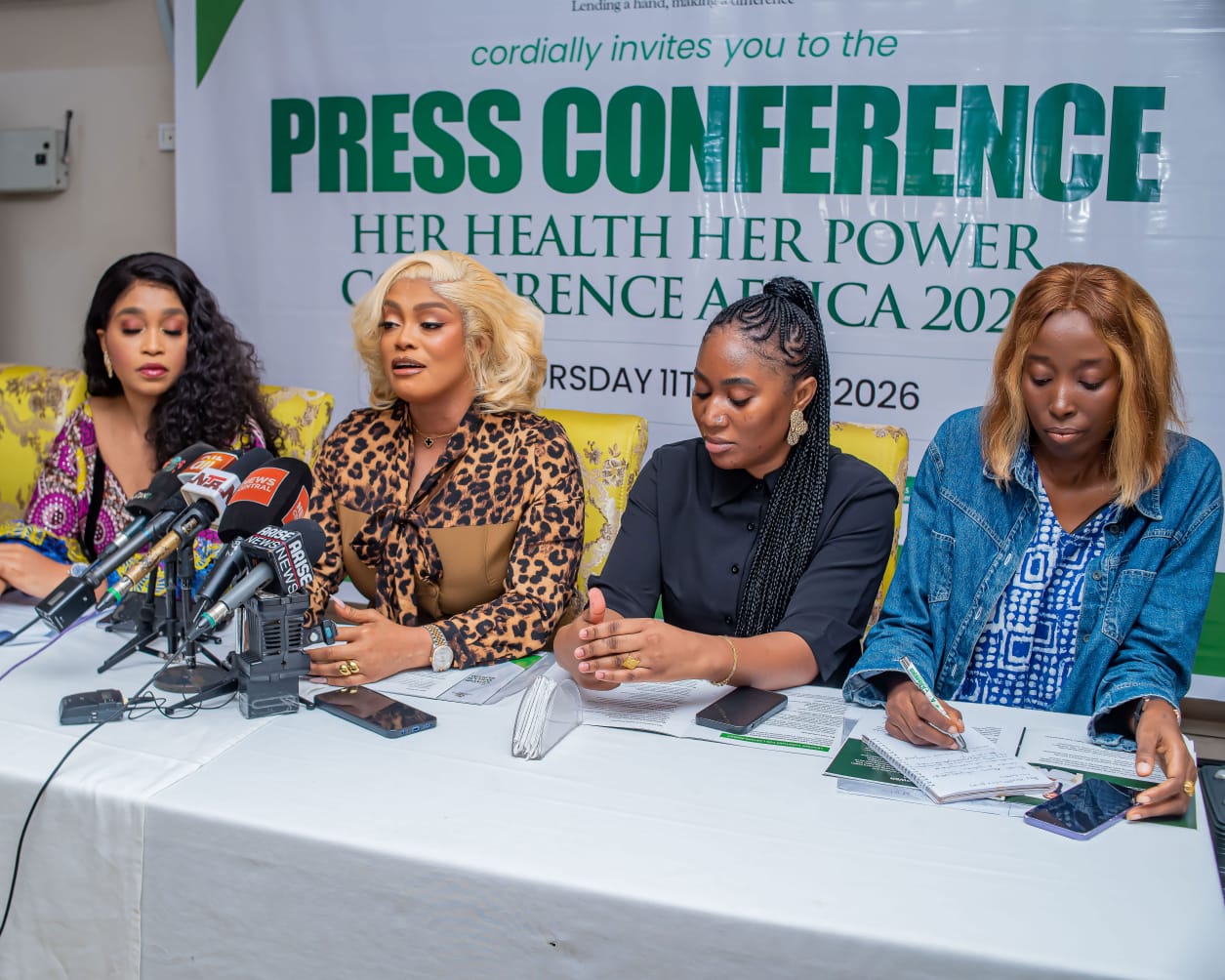
Speaking at a press conference in Abuja, Founder and Convener of the conference, Dr. Victory I. Njoku, emphasized that the theme reflects the indispensable role of women in Africa's sustainable development.
According to her, "Africa's journey towards sustainable social, economic and institutional development must be led by healthy women. The continent's sustainability depends largely on the health and wellbeing of its women, yet significant gaps still exist in access, prioritization, financing and policy implementation."
She explained that the vision of the conference is to build a future where every African woman enjoys equitable access to quality healthcare, informed health choices, and systems that safeguard her dignity, wellbeing and productivity.
Dr. Njoku outlined the major objectives of the conference, which include amplifying women's voices in conversations around health equity and access, advancing knowledge on critical health issues affecting women and girls, inspiring action through stories of resilience and innovation, mobilizing resources and partnerships for sustainable impact, and breaking the stigma surrounding sensitive health issues while advocating for women's rights and dignity within healthcare systems.
Participants at the conference are expected to engage in policy-driven conversations on women's health and wellness, build strategic partnerships and cross-sector collaborations, contribute to sustainable solutions aligned with global development goals, and become part of a continental movement promoting improved healthcare outcomes for women.
Highlighting the focus areas for this year's edition, Dr. Njoku said the conference will prioritize maternal and reproductive health, mental health and emotional wellbeing, preventive healthcare and healthy lifestyles, expanding access to healthcare for women in rural and underserved communities through community outreach programmes across Africa, strengthening women's leadership and economic participation, and fostering partnerships capable of delivering lasting social impact.
Activities lined up for the conference include high-level keynote sessions, policy dialogues, panel discussions, advocacy workshops, networking and collaboration sessions, as well as wellness and empowerment experiences, particularly targeted at women in underserved communities.
Among the distinguished keynote speakers expected at the conference are Her Excellency Ameenah Gurib-Fakim, former President of Mauritius, and Her Excellency Ambassador Prof. Olufolake AbdulRazaq, First Lady of Kwara State, alongside renowned health experts from Africa, Europe and the United States.
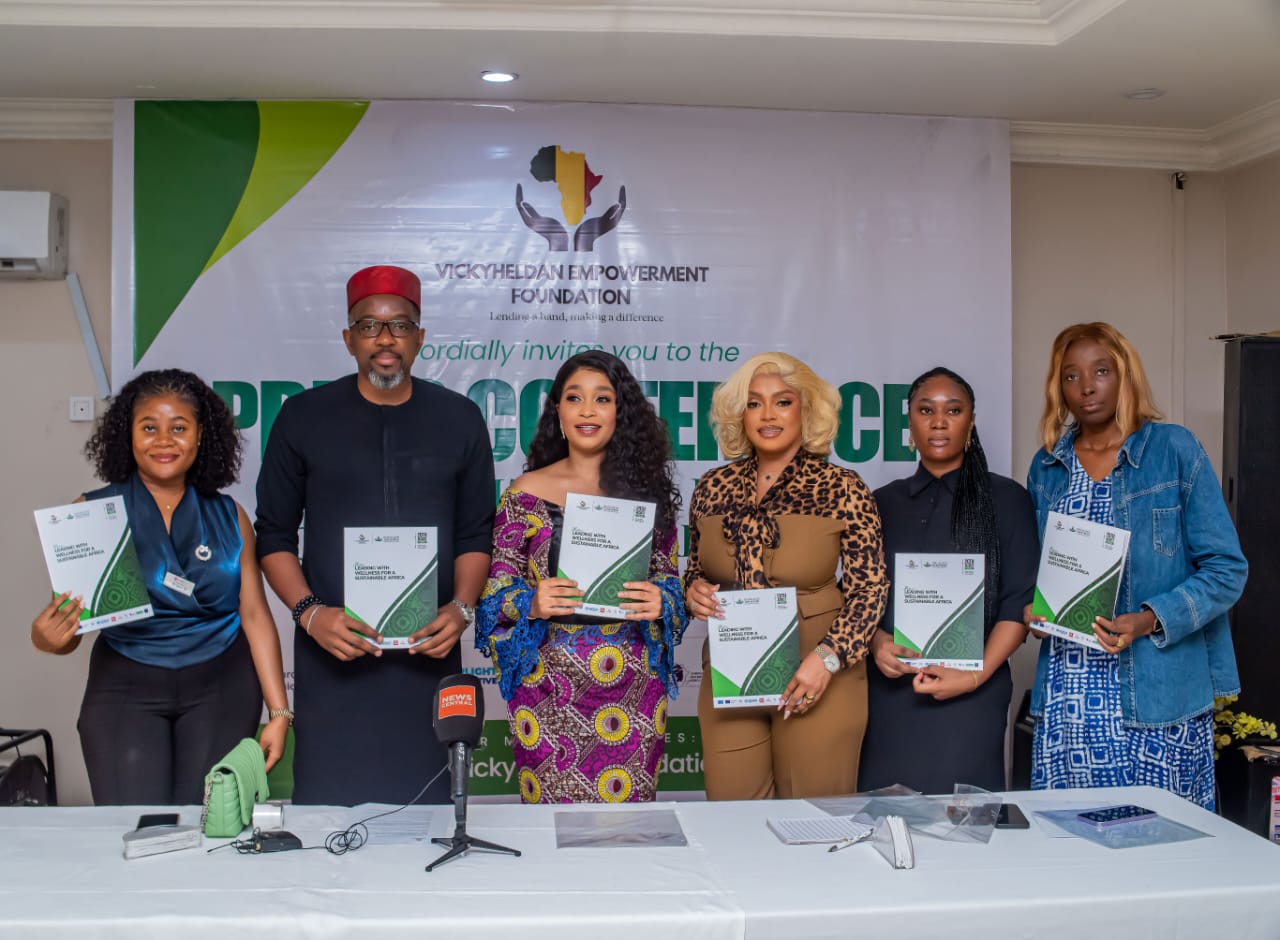
Notable healthcare practitioners and partners present at the press conference included Princess Akauor D., Founder, Chuks Anyaduba, President of HASDG Africa, and Pharmacist Piwa Peka.
The conference is expected to further strengthen advocacy efforts and partnerships aimed at improving healthcare outcomes for women and accelerating sustainable development across Africa.
Abuja’s New Entertainment Hub: Omni Grand Hotel Lounge Promises Maximum Relaxation and Vibrant Nightlife
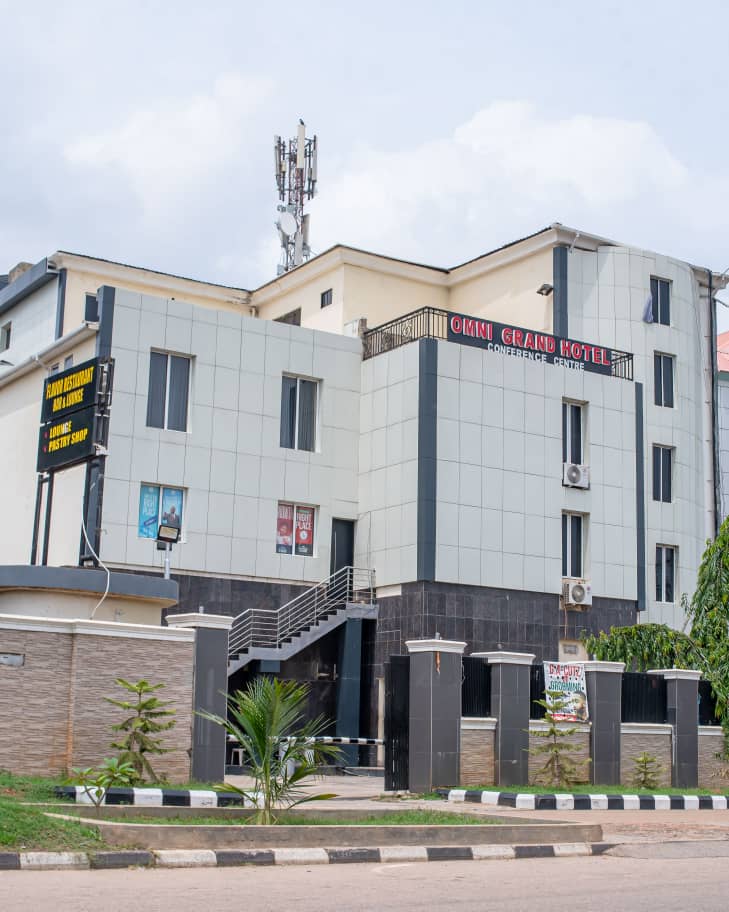
A new chapter is being written in Abuja's hospitality, relaxation and entertainment landscape with the premium services being offered by the renowned Omni Grand Hotel.
Strategically located at Plot 693, Obafemi Awolowo Way, Jabi District, Abuja, the hotel is easily accessible and nestled in a serene and secure environment, making it an ideal destination for leisure, social events and entertainment.
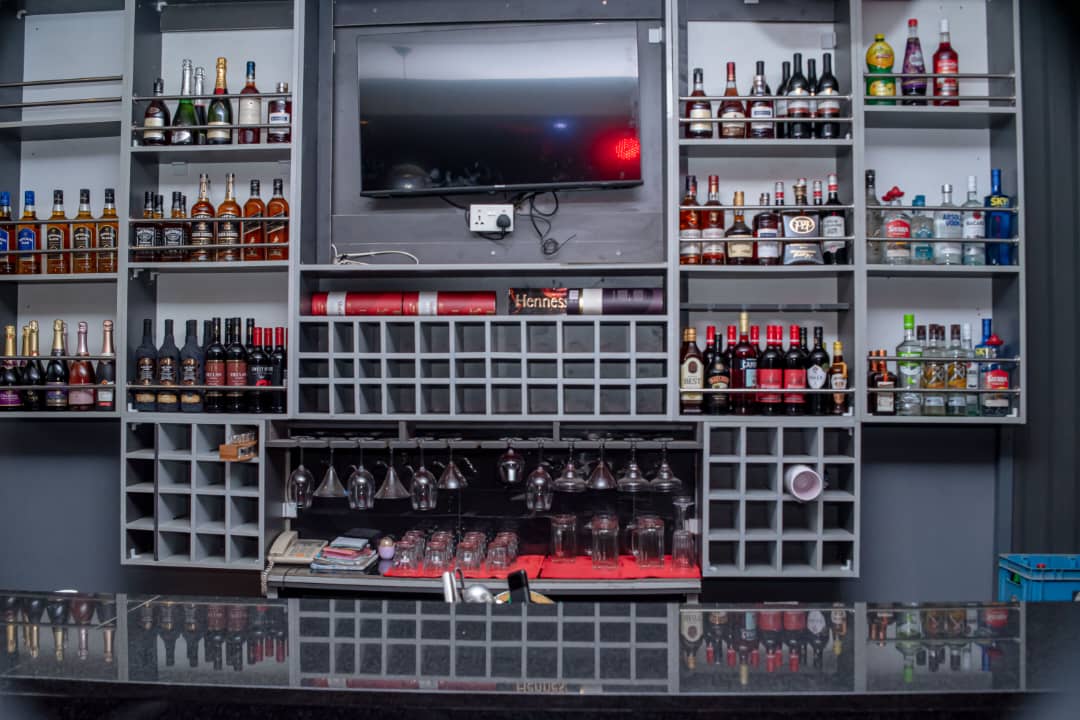
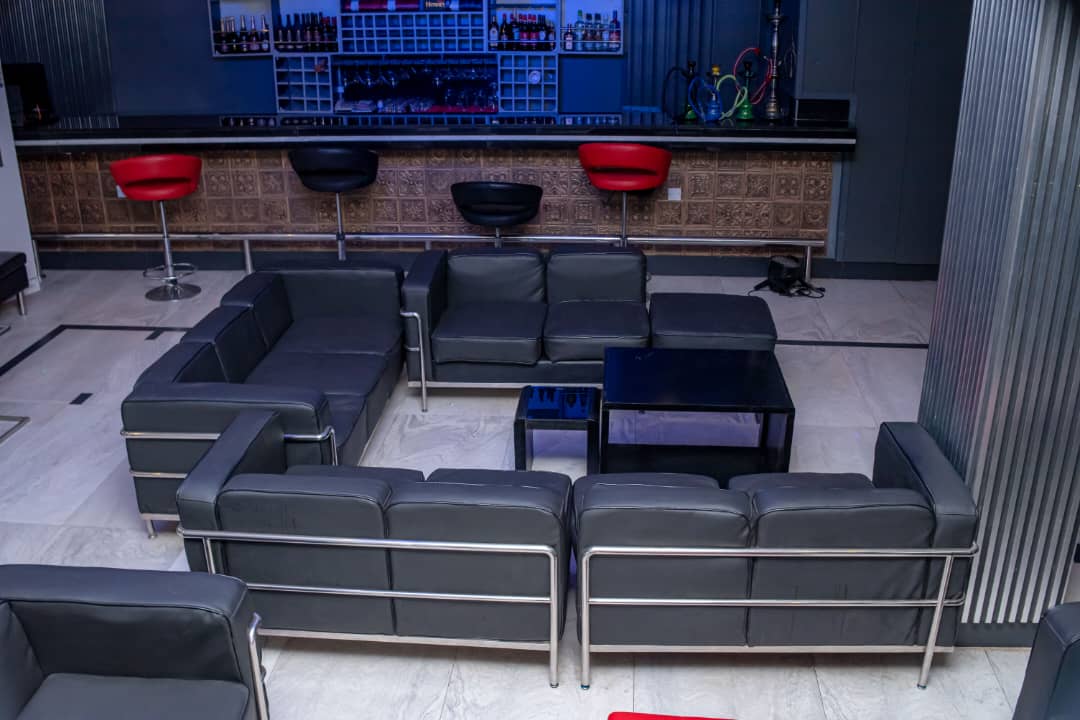
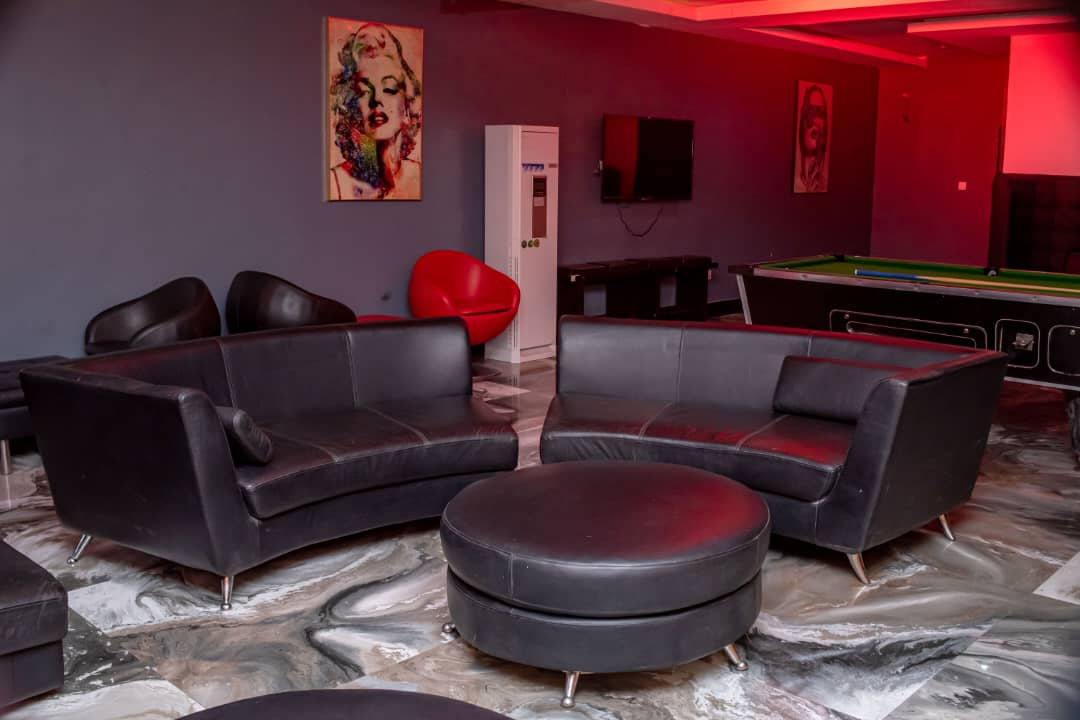
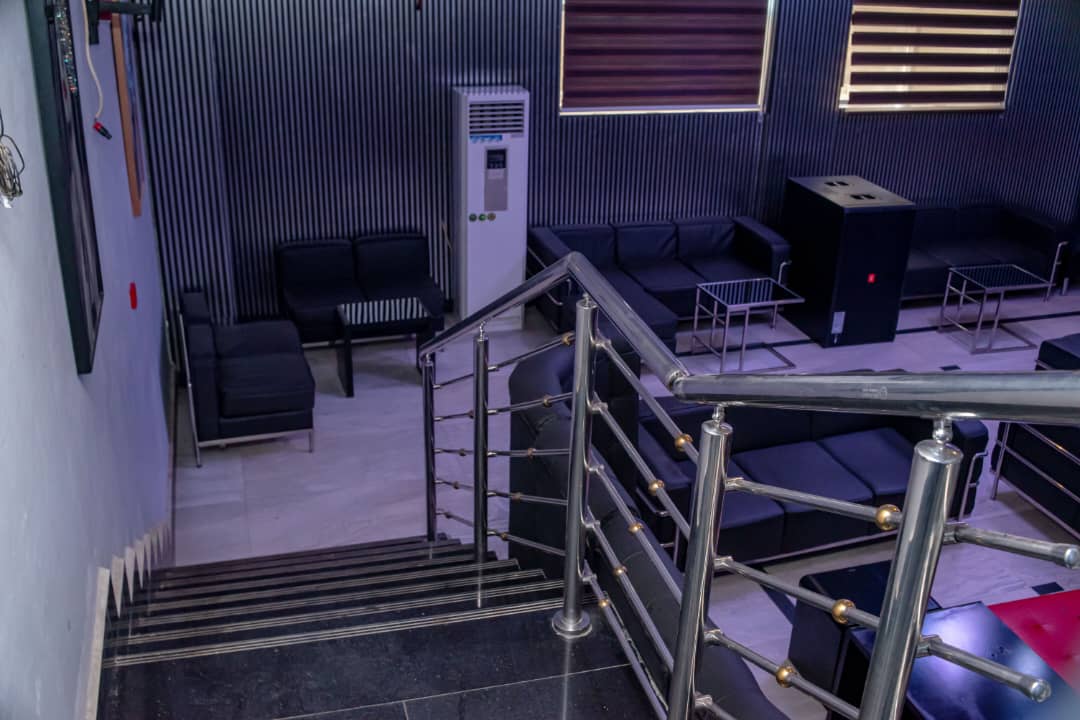
The Lounge in the facility has emerged as a preferred venue for entertainers and event organisers, boasting state-of-the-art sound systems and excellent lighting that deliver exceptional experiences for both performers, guests and night life lovers.
Besides the Lounge, Omni Grand Hotel also provides an ideal setting for wedding receptions, birthday celebrations, anniversaries, corporate gatherings and weekend relaxation for residents seeking to unwind after the hustle and bustle of the week especially at the state of the art Lounge.
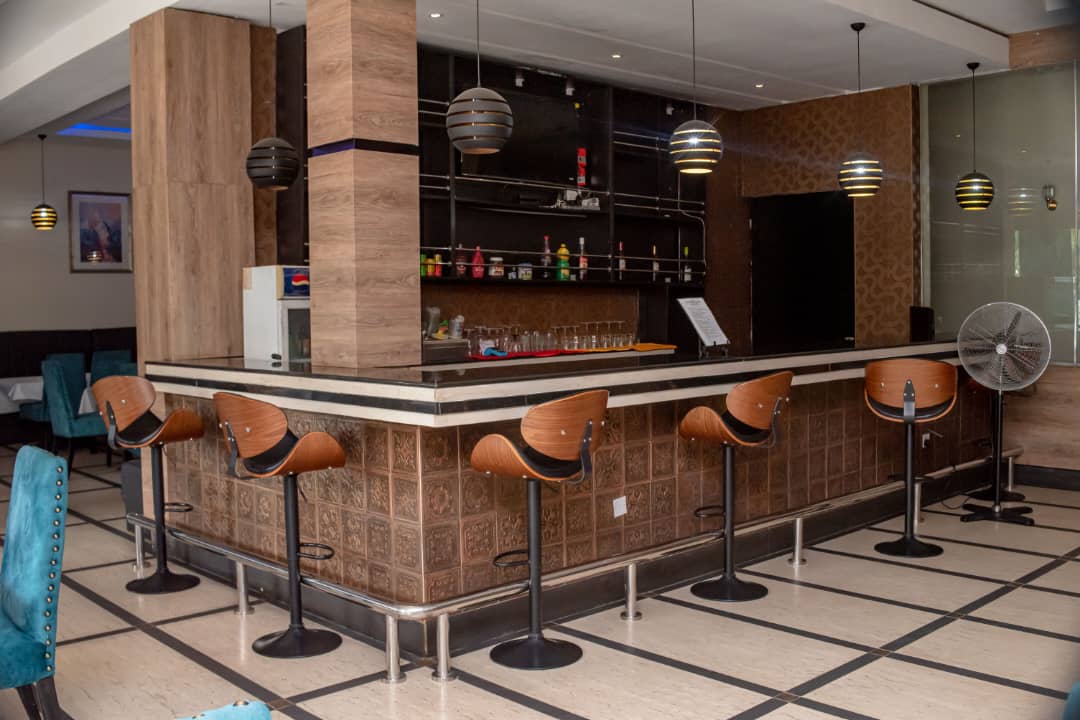
Its elegantly designed VIP and general lounges are tastefully furnished with world-class interiors that combine comfort, style and sophistication, offering guests an ambience that meets international standards.
Beyond relaxation, the hotel provides an all-round entertainment experience and quality hospitality services aimed at satisfying the needs of visitors and fun seekers as well.
The promoters of the facility, Chief Executive Officer of Amity Global, Alex Nwankwo, and Chief Executive Officer of Dolce Entertainment and organiser of the Most Beautiful Girl in Abuja, Hon. Ejiro Okphiwo, have called on Abuja residents and visitors to take advantage of the exceptional services and memorable experiences available at the hotel and lounge.
According to them, Omni Grand Hotel is committed to redefining hospitality and entertainment in the Federal Capital Territory by providing a unique blend of luxury, comfort and quality service.
Adenuga, Jubrin, Umeoji, Onyeali-Ikpe, Wizkid others, among personalities for 2026 '100 Most Notable Peace Icons Africa' awards in Morocco
WATCH VIDEO BELOW
Foremost Nigerian businessman and Chairman of Globacom, Chief Michael Adeniyi Adenuga, and the Deputy President of the Senate, Senator Barau Jibrin, alongside Group Managing Director and Chief Executive Officer of Zenith Bank Plc, Dr. Adaora Umeoji, Nigeria; Managing Director, Chief Executive Officer of Fidelity Bank Plc, Dr. Nneka Onyeali-Ikpe and Nigeria Superstar Ayodeji Ibrahim Balogun (Wizkid) are among eminent personalities set to be honoured at the 2026 edition of the 100 Most Notable Africans Leadership and Business Summit in Marrakech, Morocco.
The two-day event, organised by Davdan Peace and Advocacy Foundation and the 100 Most Notable Peace Icons Africa in partnership with other organisations, will take place from June 26 to 28, 2026, at the Palais des Festivals et des Congrès Marrakech, Mövenpick Hotel, and is expected to draw influential leaders, government officials, captains of industry, diplomats, investors, policymakers and innovators from across Africa and beyond.
Influential personalities expected to receive awards include Ethiopian Prime Minister Abiy Ahmed Ali; Zambian President Hakainde Hichilema; former African Union Commission Chairperson Dr. Nkosazana Dlamini-Zuma; Nabila Rmili, Mayor of Casablanca, Morocco; Omar Yacoubi Soussane, Morocco; Dr Emmanuel A Fundira, Executive Chairman, ASTOC Leisure Group inc, Zimbabwe; Adnane Bennis, Co-founder and CEO, Morocco World News; H.E Amb Prof Smelly Dube, Group CEO, River Valley Group, Zimbabwe.
Special Guests of Honor are Her Excellency madam Shakilla K. UMUTONI Ambassador of Rwanda;
Her Excellency Mrs. Charity Gbedawo Ambassador of Ghana;
Her Excellency Madam Nardos Ayalew Belay Ambassador of Ethiopia; His Excellency Mr Nestor Bankumukunzi Ambassador of Burundi; His Excellency Mr Nkateko Manganye ( chargé d'affaire of South Africa in Morocco and Mr Mohamed ELOUAFI.
The summit seeks to celebrate excellence, encourage cross-border collaboration and promote sustainable development on the continent.
According to the organisers, Chief Adenuga is being recognised for his outstanding contributions to telecommunications and enterprise development, while Wizkid for his immense impact on African music and globally.
Senator Barau Jibrin will be recognised for his contributions to public service and legislative leadership in Nigeria while Dr. Umeoji and Dr. Onyeali-Ikpe are listed alongside several distinguished personalities from across Africa in recognition of their outstanding contributions to banking, business leadership, entrepreneurship and economic development.
Organisers disclosed that the summit has continued to attract growing interest from business leaders, government agencies, policymakers, investors and innovators across Africa and beyond, making it one of the continent's most influential leadership gatherings.
Roll call of other personalities include former Chairperson of the African Union Commission, Dr. Nkosazana Dlamini-Zuma; Dr Asu Kunemofa, Director of Finance and Accounts, NDDC; Mrs Aisha Hanan Buhari, CEO, Hanan Buhari Foundation; Layal Jade Tinubu, Yasmine Benabdallah - Gemmologist & CEO of Blue Jasmine Jewelry, Morocco;Mr. Nabil Slitine, Chief Executive Officer, NASLI Holding,
Kingdom of Morocco; Janet Osei-Boadi, CEO/Founder Janet O Boadi Foundation, Ghana; Chef Donald Moletsane, President of Lesotho Chefs Association and Managing Director of Dona@Balos Chef School and Hospitality, Lesotho.
Others are Chief Nnabuike Oliver Anachebe, Chairman, Maritime Consultant; Soukaina Janah,
CEO group glamour textile, Morocco; Oshoma Zekeri, CEO, Vendoir; Othmane Sefrioui; Mystere Chief Operating Officer & Managing Director of Hublot Morocco; Eze Samuel, CEO Luxury Prime real estate and Criset groups of companies; Lugumi Saidi, CEO, Lugumi Enterprises, Tanzania; Hon Dr Ginika Florence Tor, Chairman, Accolade Dynamics Limited, Nigeria, Mr Manji Obadiah, CEO, HM Autocentre Limited, UK; Amb Abdulfatai Yahaya Seriki, Managing Director, Kursi Investment Limited; Chimamanda Ngozi Adichie and actress Funke Akindele among others.
The summit will feature business networking opportunities, investment sessions, leadership dialogues and the presentation of the highly anticipated 100 Most Notable Africans Awards.
Speaking on the forthcoming event, the Project Director, Africa, Amb. Dr. Kingsley Amafibe, said the increasing interest from delegates and strategic partners reflects the growing importance of the summit as a platform for celebrating African excellence and fostering collaborations that will drive the continent's development.
He added that the 2026 edition is expected to provide opportunities for leaders and entrepreneurs to exchange ideas, forge partnerships and promote sustainable growth across Africa.
According to Amafibe, participants and prospective partners have been advised to visit the 100mostnotable website for registration and further information as preparations intensify for the landmark event.
Chief Dr. Andy Elerewe Properties Powers Abuja’s Most Anticipated Comedy Spectacle: The ‘Next Level’ Experience at Transcorp Hilton*
Abuja’s social landscape is about to undergo a dramatic transformation as the “Funny Bruno Comedy Show: Next Level” takes center stage at the Transcorp Hilton this Saturday, June 13th, 2026.
This is the moment where elite entertainment meets corporate dominance, led by the headline sponsorship of AiBen Properties Ltd.
The real estate powerhouse is ensuring that the “heat” is felt across the capital, bringing a level of luxury and corporate strength that guarantees an unforgettable evening.
Their commitment to the arts mirrors their dedication to excellence, providing a prestigious platform for House of Funny Bruno Nig. Ltd to deliver an entertainment masterpiece.
The lineup is a literal who’s-who of Nigerian comedy, featuring the iconic Gordons and the unstoppable energy of Akpororo.
The stage will also host the likes of Forever, MC Pashion, Abarie, and the Short Family, creating a high-octane atmosphere that matches the ambition of the event’s sponsor.
With luxury tables priced up to ₦5M, the Congress Hall will be the epicenter of influence, where the city’s top personalities will witness the very best in African comedy.
Backed by the strategic prowess of media leader Dr. Alex Nwankwo and the creative packaging of FAIAG Events & Concepts, the “Next Level” show is more than just a date on the calendar—it is a bold statement of excellence and a celebration of the synergy between commerce and culture.
2027: Hon. Sunny Aguebor Emerges NDC Senatorial Candidate for Edo South
A prominent businessman, philanthropist and grassroots mobiliser, Hon. Sunny Aguebor, JP, has emerged as the senatorial candidate of the Nigeria Democratic Congress (NDC) for Edo South for the 2027 general elections, bringing closer his aspiration of representing the district in the National Assembly.
He was unanimously elected at the recently concluded congress of the party in the senatorial district, a development party leaders and supporters described as a reflection of his widespread acceptance and commitment to service.
Shortly after his emergence, Hon. Aguebor, who campaigns under the slogan, “Prosperity Through Service: A New Dawn for Edo South,” said his nomination demonstrates the confidence reposed in him by party members and the people of the district, expressing optimism that a new era of effective representation is on the horizon.
Sunny Aguebor is not new to public life. Over the years, he has built a reputation as a businessman, political figure and philanthropist. His involvement in politics dates back to the early 2000s when he joined the Peoples Democratic Party (PDP), where he contributed to party development and grassroots mobilisation.
Beyond politics, his BIBI Foundation has reportedly impacted numerous lives through scholarship schemes, youth empowerment programmes and job creation initiatives, earning him recognition across Oredo Local Government Area and other parts of Edo State.
Speaking on his emergence, Aguebor pledged to provide purposeful leadership and ensure that the interests of Edo South people are adequately represented.
"I am deeply humbled by the confidence and trust reposed in me by members of our great party. This victory is not about me, but about the collective desire of our people for quality representation and sustainable development. I remain committed to the ideals of service, inclusiveness and prosperity, and by the grace of God, we shall usher in a new dawn for Edo South Senatorial District," he said.
He further assured constituents that if elected, he would prioritize youth empowerment, economic opportunities, infrastructure development, quality education and improved healthcare delivery.
Party faithful at the congress expressed confidence that Aguebor's experience, philanthropic credentials and grassroots appeal would strengthen the NDC's chances in the forthcoming senatorial election.
High Chief Ifekudu's Gold Reef Villa Emerges Headline Sponsor of MC Bob's Magnificent Comedy Show
VIDEO
A leading property firm, Gold Reef Villa Ltd has emerged the headline sponsor of annual comedy show, The Magnificent organised by a veteran Abuja-based entertainer, MC Bob.
Owned by a renowned oil and gas investor and building contractor, High Chief Kenneth Ifekudu, the firm has a well-established track record of supporting entertainment and sponsoring talent development.
In a video message, Chief Ifekudu expressed delight that his firm was chosen as the headline sponsor of the event taking place on Sunday, July 12, 2026.
He assured the organization will offer the needed support to ensure the overwhelming success of the event.
The comedy show by Magnificent House of Humour holds yearly and is one of the most anticipated star-studded events where top comedians come to thrill the residents of the nation's capital with rib-cracking comedy.
This year, the event is sure to record a massive turn out of fun seekers who who will be at the Transcorp Hilton Hotel Abuja venue of the event.
They will be thrilled by top rated entertainers to rib-cracking comedy that will get them rolling in laughter.
MC Bob is one of the veteran comedians in Abuja who have left a legacy in the nation's capital entertainment landscape.
He has performed at high profile events with highly respected individuals in attendance.
MC Bob not long ago assembled who-is-who in Abuja entertainment space for his "Deep in Thought" comedy show where notable comedians, including Sabinus, MC Shortcut himself, Sarkin Dariya, Ushbebe, Kennyblaq, Nduka and others performed.
Last year, he embarked on a comedy tour in Lagos, Port Harcourt, Calabar and the United Kingdom.
Highly respected among his colleagues in the nation's entertainment space, MC Bob is also known for the roles he has played in grooming young entertainers to stardom.
Beauty, Brains, and 'Baby Girl' Vibes: Treasure Chiemerigo Anaele Bags Forensic Sciences Degree from FUTO
WATCH VIDEO BELOW
OWERRI, IMO STATE — The Federal University of Technology, Owerri (FUTO) was a scene of vibrant celebration over the weekend as Treasure Chiemerigo Anaele officially graduated during the university’s latest convocation ceremony, securing a prestigious degree in Forensic Sciences.
The achievement has sparked a massive wave of congratulatory messages, with friends, family, and well-wishers pouring out accolades and felicitations to celebrate the milestone.
Hailing from a devout Christian home, Treasure is the third child of her family and is affectionately known as the ultimate "baby girl" of the house. Known for perfectly balancing her rigorous, science-heavy academic pursuits with her chic, "baby girl" lifestyle and hobbies, she proved yesterday that one can indeed have both brains and undeniable style.
The young giant whose is yet to be determined doubles as the CEO of Look Pretty Hub Salon, that sells everything lash equipment in Owerri, Imo State
Since the convocation video made its rounds, the internet has been buzzing with praise for the FUTO alumna. Among the flood of glowing tributes was a special congratulatory message from her sister, Ugochi Gift Anaele popularly known as Finseed. Based in Abuja, Gift is rapidly making a name for herself as a fast-growing, highly sought-after fashion designer. She took time out of her busy schedule to celebrate her sister's academic triumph, adding a touch of high-fashion glamour to the family’s joyous occasion.
As the dust settles on the convocation grounds in Imo State, the celebrations for Treasure are just beginning. Armed with a degree in Forensic Sciences and supported by a tight-knit family, the future looks exceptionally bright for the Anaele family's beloved "baby girl."
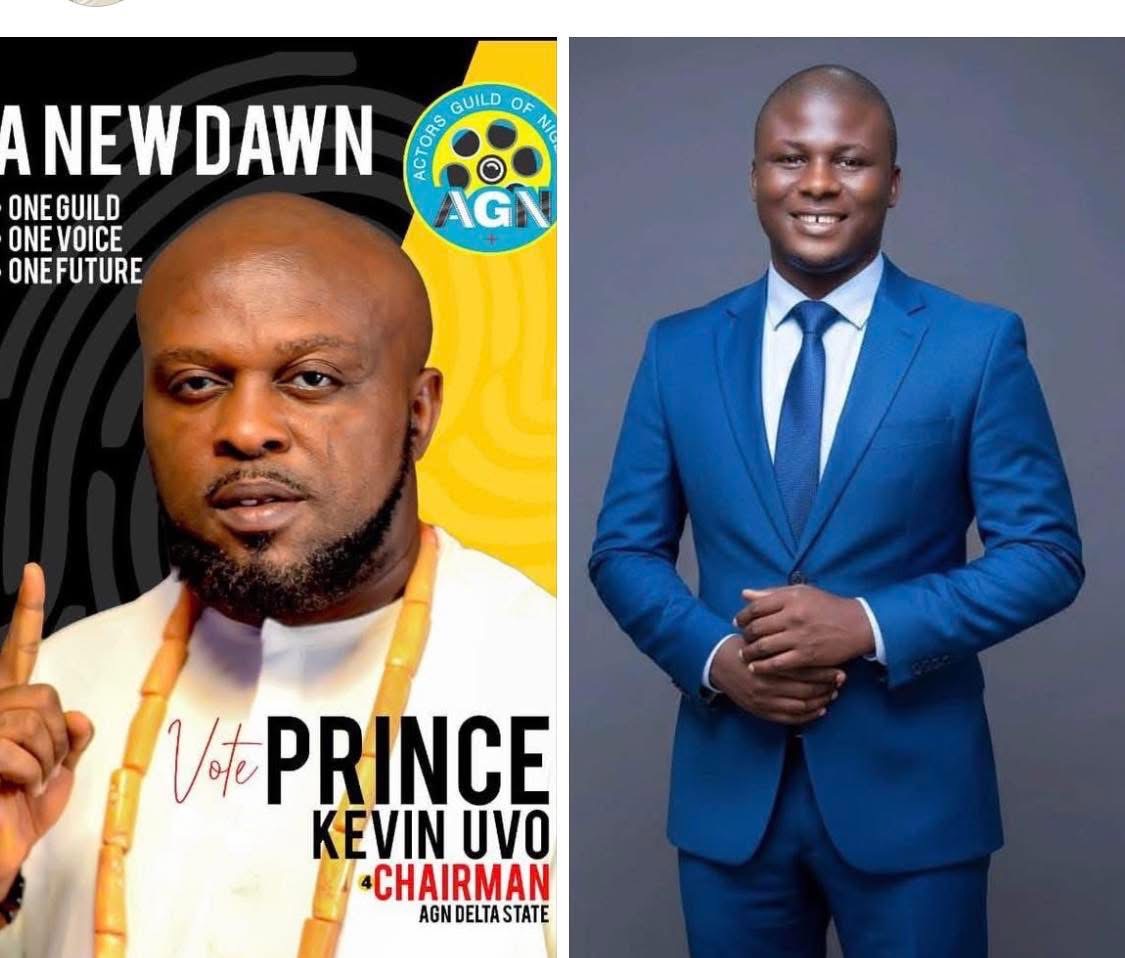
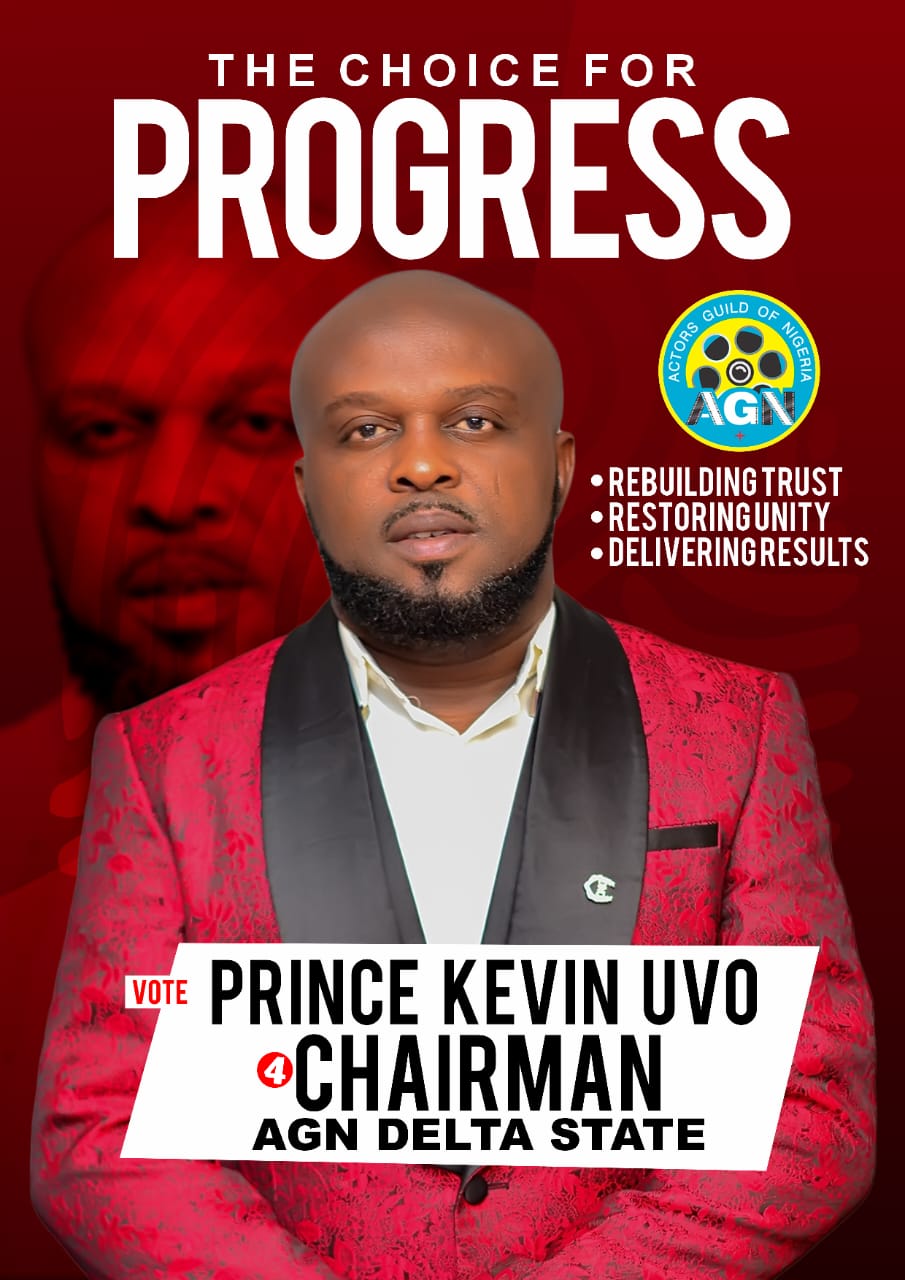
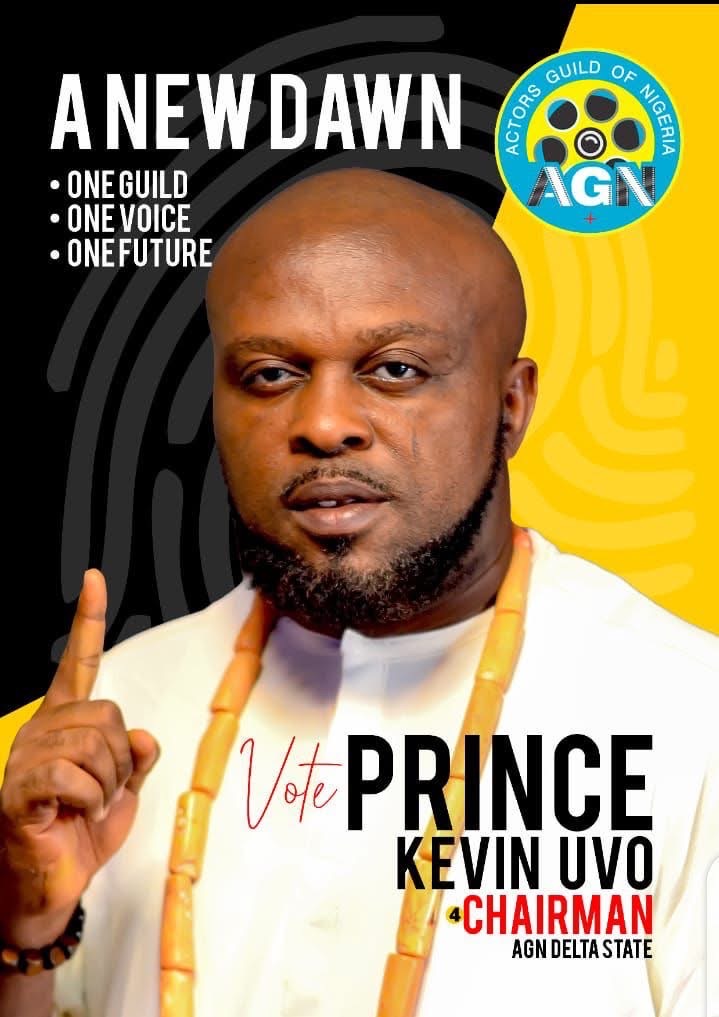
Miss Nollywood organizer Declares support for Prince Kevin Uvo explain his Leadership qualities as AGN Delta State Position
By Our Correspondent
The Chief Executive Officer of Miss Nollywood Beauty Pageant , Mr. Barakumo Odede, has thrown his weight behind Prince Kevin Uvo's bid for the chairmanship of the Actors Guild of Nigeria (AGN), Delta State Chapter, citing his outstanding leadership qualities, unwavering commitment to the growth of the entertainment industry, and years of dedicated service to the guild.
Odede, a respected stakeholder in Nigeria's creative industry, described Prince Kevin Uvo as a unifying force and a tested leader whose experience and vision make him the ideal candidate to lead the Delta State chapter of the Actors Guild of Nigeria.
Speaking on his endorsement of the candidate, Odede noted that Uvo has consistently demonstrated a genuine passion for the development of actors and the advancement of the guild, adding that his leadership credentials have earned him the confidence and support of industry practitioners across the state.
According to him, Prince Kevin Uvo has been a strong supporter of the Miss Nollywood International brand over the years, contributing significantly to initiatives aimed at promoting talent, empowering young people, and strengthening the entertainment sector.
"Prince Kevin Uvo possesses the leadership qualities needed to reposition the Actors Guild of Nigeria in Delta State. He is accessible, experienced, and committed to the welfare and progress of members. His track record speaks for itself," Odede stated.
He further stressed that Uvo's candidacy is not about personal ambition but about providing the guild with the quality leadership it urgently requires.
"In my opinion, Prince Kevin Uvo is the one AGN needs. It is not about him needing the guild; rather, the guild needs his experience, vision, and capacity to unite members and move the association forward," he said.
Prince Kevin Uvo, who is contesting for the position of Chairman of AGN Delta State under the campaign theme 'One Guild, One Voice, One Future,' has continued to receive endorsements from stakeholders who believe his leadership will usher in a new era of unity, professionalism, and growth for actors in the state.
As the election approaches, Odede expressed confidence that members of the guild will make a choice that prioritizes competence, integrity, and service, qualities he said Prince Kevin Uvo has consistently demonstrated throughout his career.
The endorsement is expected to further strengthen Uvo's campaign as he seeks to lead the Delta State chapter of the Actors Guild of Nigeria into a future anchored on unity, inclusiveness, and sustainable development.
Founder and Chief Executive Officer of Skyewise Group, Dr. Elvis Abuyere, on Saturday disclosed that the company has invested over N9 billion in Edo State’s economy, saying the investment highlights the firm’s commitment to economic development, job creation and youth empowerment in the state.
Abuyere made the disclosure during the grand opening and commissioning of Skyewise Group’s multi-billion naira corporate headquarters in Benin City, where he described the project as a milestone in the company’s 11-year journey of delivering excellence across various sectors of the economy.
According to him, the conglomerate, which operates in investments, loans, automobiles, real estate, contracts and youth empowerment, has created more than 100 direct jobs through the new facility alone.
He added that the efforts aimed at reducing unemployment while expanding the state’s economic base through tax contributions and business activities.
He said, “We have invested over N9 billion in Edo State. This project is not just a celebration but a testimony of our commitment to economic growth and development. By employing over 100 staff in this building alone, we are contributing to job creation and supporting the state’s economy,” Abuyere said.
The entrepreneur further revealed that Skyewise Group, through its foundation, has empowered more than 2,000 youths across the country, providing opportunities and support aimed at fostering self-reliance and productive engagement.
He said that the company remains committed to building human capital, which he described as a critical driver of national development.
Abuyere also announced plans to establish an automobile assembly plant in Edo State, disclosing that discussions have already been held with Governor Monday Okpebholo on a possible partnership to bring vehicle manufacturing operations to the state.
According to him, the proposed project, currently in the pipeline with partners in China, would help reduce dependence on imported vehicles and stimulate industrial growth.
Speaking at the event, member of the Board of Directors of Skyewise Group, Ambassador Usman Sarki, said the company represents both the present and future of enterprise development through strategic investments and community-focused initiatives.
He commended the Edo State Government for creating an enabling environment that encourages private sector investment.
Representing Governor Monday Okpebholo at the ceremony, Deputy Governor Dennis Idahosa said Skyewise Group’s decision to expand its footprint in Edo State reflects growing investor confidence in the state’s economy.
He reiterated Governor Okpeholo’s administration’s commitment to security and business-friendly policies, assuring investors that ongoing efforts to strengthen local security and improve the investment climate would continue to attract more businesses to the state.
The event climaxed with the official commissioning of the facility by the deputy governor.
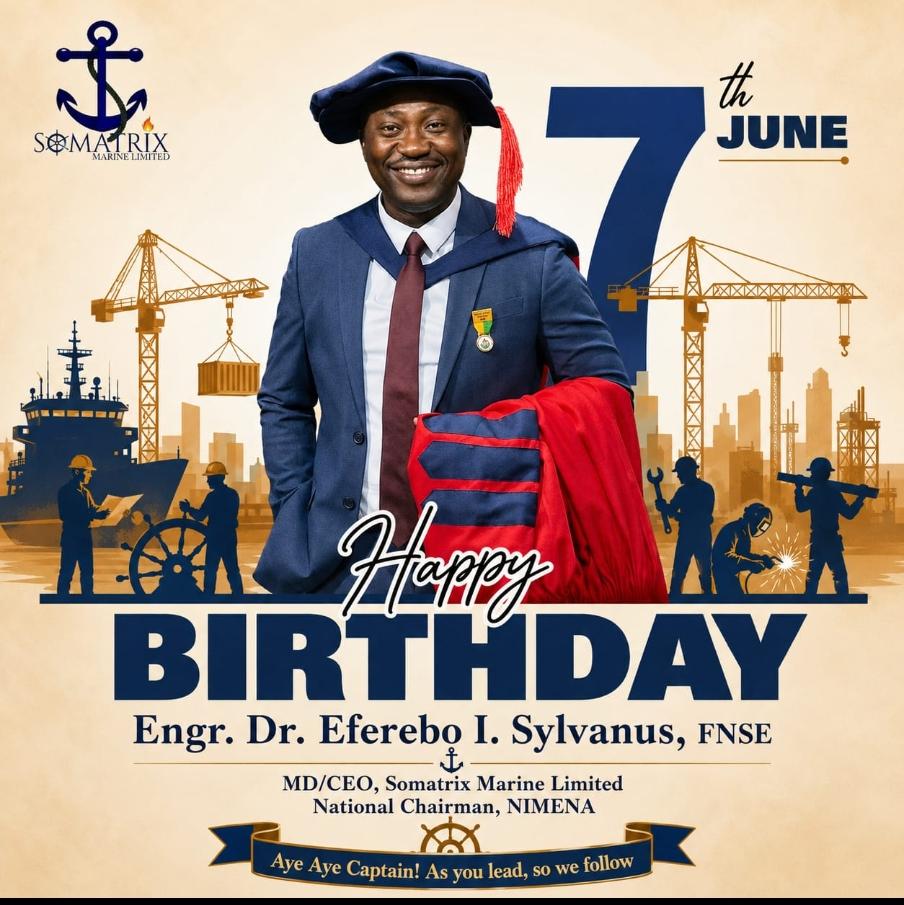
*Global Tributes Celebrate Maritime Visionary Engr. Dr. Sylvanus Eferebo
Accolades are pouring in from across the globe today, June 7, 2026, as *Engr. Dr. Sylvanus Eferebo, FNSE*, the National Chairman of the Nigerian Institution of Marine Engineers and Naval Architects (NIMENA), celebrates a milestone birthday.
A titan of the global blue economy, Dr. Eferebo has rapidly expanded his international footprint, recently hosting high-profile maritime engagements across the United States.
This follows his landmark presentation at the Plug and Play x NIMENA Innovation Night, held on the sidelines of the world-renowned Singapore Maritime Week, where he passionately advocated for African technical sovereignty and indigenous marine standards before an audience of global investors and international policymakers.
At home, his transformational leadership continues to reshape the industry's landscape.
As the MD/CEO of *Somatrix Marine Limited*—which has broken domestic boundaries to expand operations into South Africa—and Board Chairman of the *Centre for Marine and Offshore Technology Development (CMOTD)* at Rivers State University, he effectively bridges advanced academic research with cross-border industrial execution.
Under his stewardship, NIMENA has aggressively pursued structural reforms to secure billions in potential maritime revenue while prioritizing local capacity building for the next generation.
Dr. Eferebo’s peerless standing was recently cemented by his historic conferment as a *Fellow of the Nigerian Society of Engineers (FNSE)* and his crowning as the ultimate *Marine Engineer of the Year* at the prestigious 2026 Maritime Industry Merit Awards (MIMA).
From his critical advisory roles for the National Assembly to his expanding global reach, "The Captain" continues to pilot the maritime sector toward a future of technical independence and competitive excellence.
Gentle Emelah Receives New Bayelsa Library Board Member, Commends Governor Diri
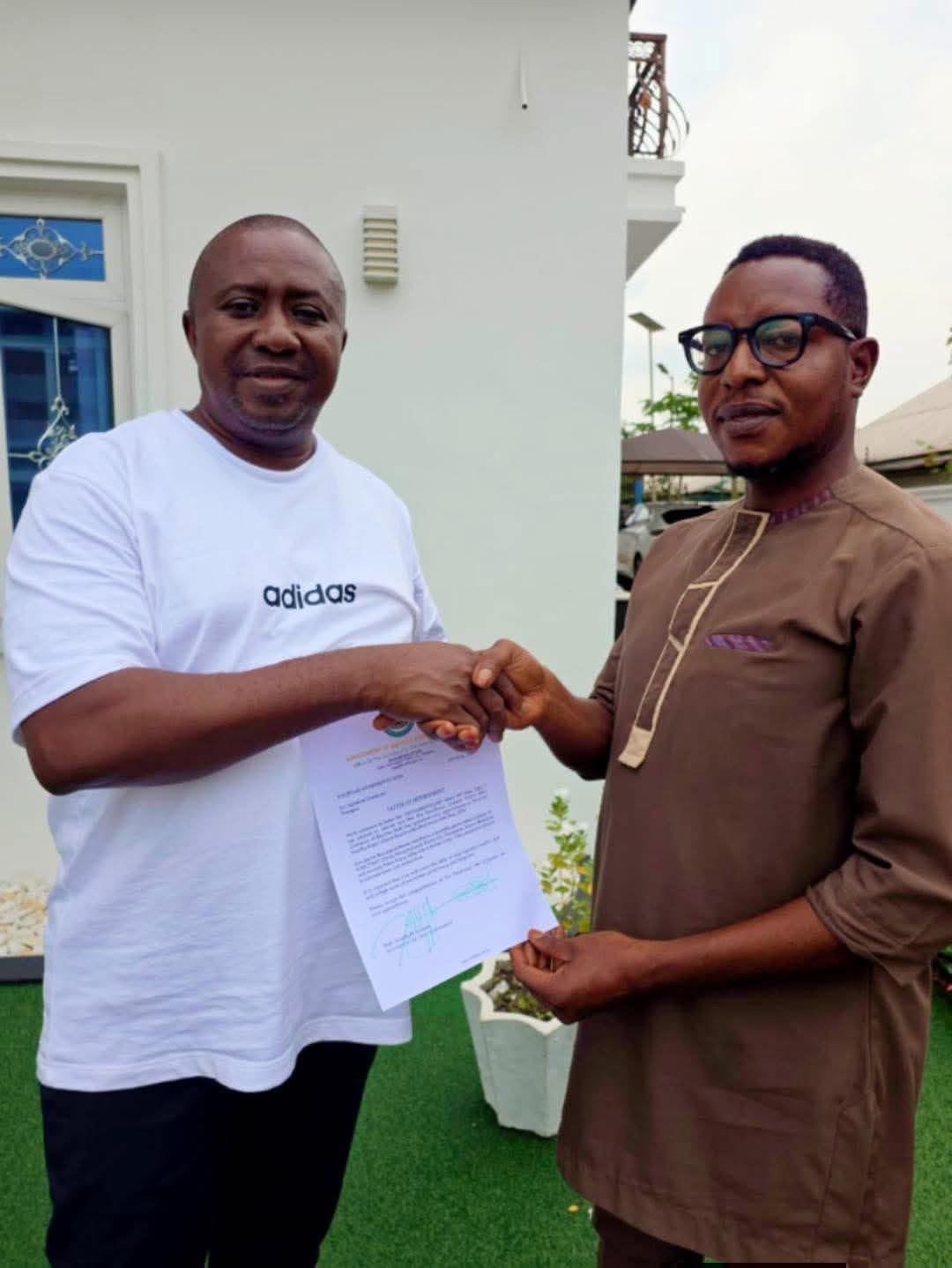
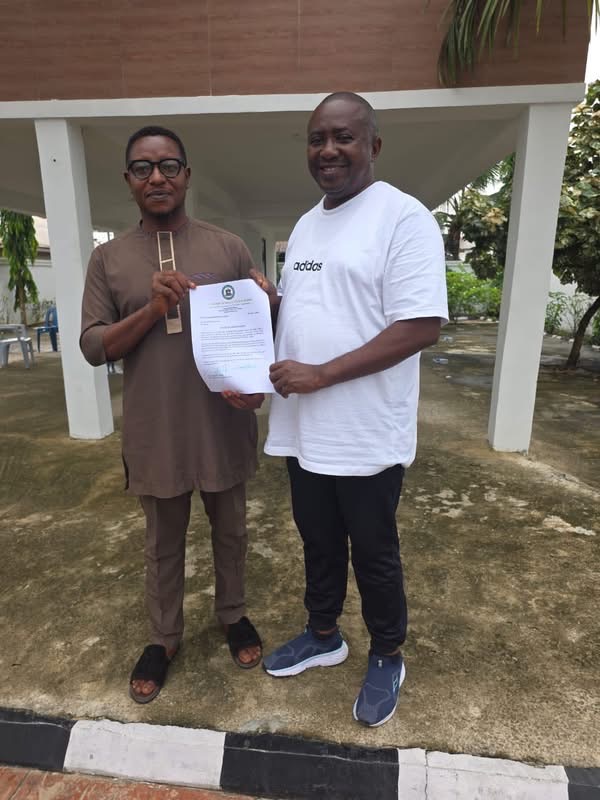
The Bayelsa State Commissioner for Education, Gentle Emelah, has received a newly appointed member of the Bayelsa State Library Board, Mr. Ndutimi Donkuno, who paid a courtesy visit to formally present his appointment letter.
During the visit, Dr. Donkuno expressed appreciation to the Governor of Bayelsa State, Douye Diri, for finding him worthy of appointment into the Library Board. He also acknowledged the support of stakeholders who contributed to his emergence.
In his response, Emelah commended Governor Diri for strengthening the state’s education sector through strategic appointments and institutional development. He congratulated the board new member and wished him success in contributing to improved library services and literacy development across Bayelsa State.
It was also noted that Dr. Undotimi serves as the State Director of the Pastor Reuben Initiative, an organization involved in leadership and community development initiatives.
The visit was described as a cordial engagement aimed at reinforcing collaboration within the education and information management sector in the state.
Dr. Kunemofa Asu, Director,Finance and Accounts NDDC, Bags UNIPORT Ph.D.
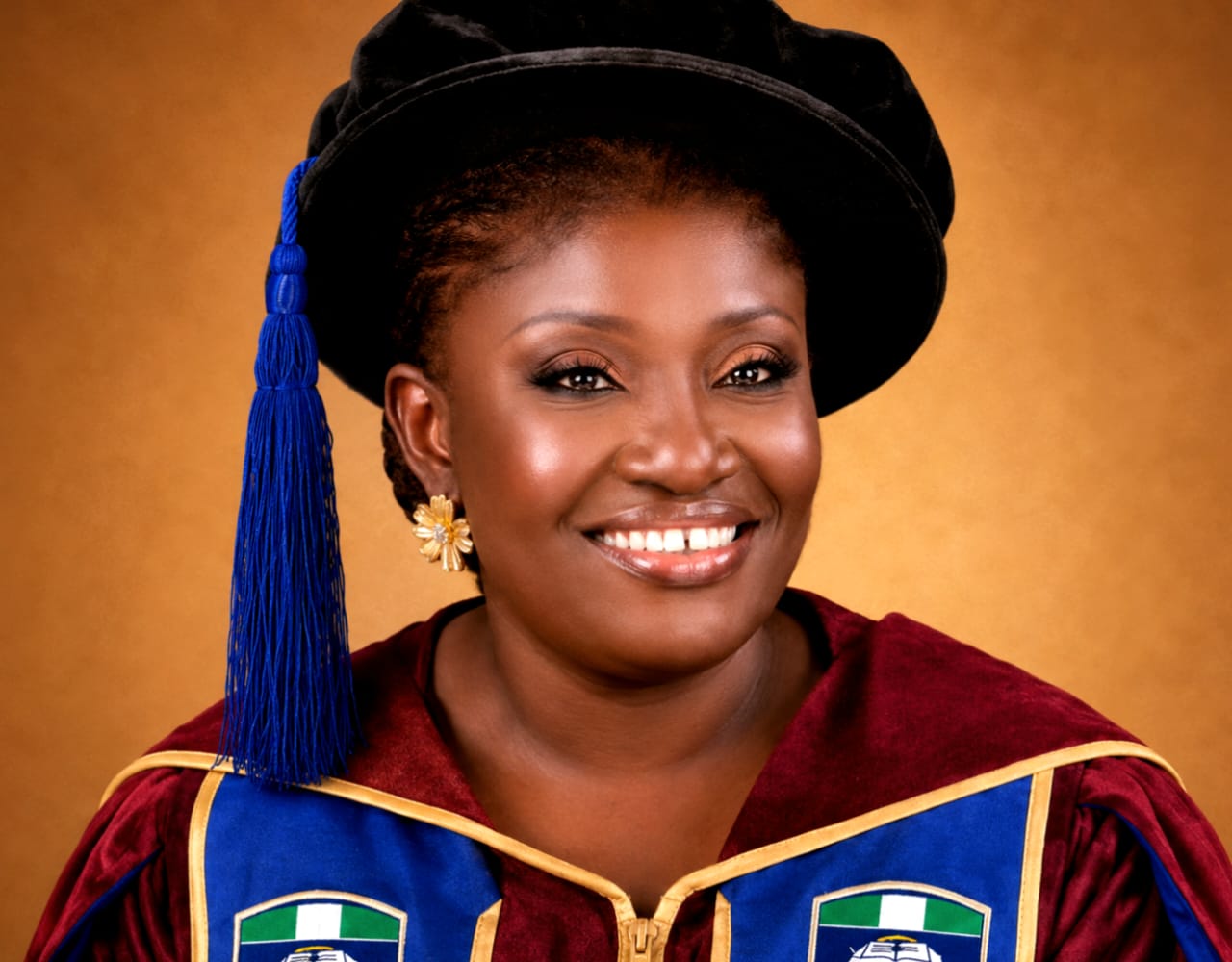
PORT HARCOURT — It is a day of immense pride and celebration as Kunemofa Asu, FCNA, FSM, the Director of Finance and Accounts at the Niger Delta Development Commission (NDDC), is formally conferred with her Doctor of Philosophy (Ph.D.) Degree in Disaster Risk Management today, Saturday, June 6, 2026 at the University of Port Harcourt, Rivers State, Nigeria.
This academic milestone was achieved during the prestigious 36th Combined Convocation Ceremony of the University of Port Harcourt (UNIPORT), held at the M&W Convocation Arena.
The ceremony features a convocation lecture focused on leadership and infrastructure development, delivered by the Minister of the FCT, Chief (Barr.) Nyesom Ezenwo Wike.
A special invitation file captures the newly minted Doctorate Degree Holder in her full academic regalia, marking an elevated peak in her steadfast commitment to learning, finance, and strategic management.
Following the convocation, a cascade of global felicitations has poured in from prominent leadership circles to celebrate her academic and professional skills.
This celebration perfectly complements her recent conferment of an Honorary Doctorate Degree in Leadership and Financial Management from the American Management University, USA, beautifully highlighting her growing global acclaim.
Bringing over two decades of financial strategy experience to the forefront of financial governance in Nigeria, Dr. Asu has consistently championed transformative fiscal policies and innovative development initiatives driving sustainable progress across the Niger Delta region.
Beyond her new Ph.D. from UNIPORT, she holds a Master of Business Administration (MBA) from the National Open University of Nigeria and a Bachelor of Science (B.Sc.) in Accountancy from Rivers State University.
She stands as an esteemed Fellow of both the Association of National Accountants of Nigeria (ANAN) and the Institute of Strategic Management, Nigeria (ISMN).
Her extensive professional footprint also includes active memberships in the Chartered Institute of Taxation of Nigeria (CITN), the Nigerian Institute of Management (Chartered), the Association of Chartered Certified System Accountants, and the Emergency, Crisis & Disaster Risk Management Institute.
Her exceptional public service track record has earned her numerous prestigious honors, including the Peace Achievers International Award 2025.
She was also honored by the Center for Disaster Risk Management and Development Studies at UNIPORT for her contributions to the field during the 2025 International Day for Disaster Risk Reduction.
Most recently, she was recognized with an Award of Excellence for her contributions to Regional Development, Integrity, and Accountability at the International Public Service Excellence Award 2026, hosted in the United Kingdom Parliament, London.
Her global outlook and strategic insights are further backed by advanced executive programs completed at world-renowned institutions, including Harvard University (USA), London Corporate Training (UK), and the Metropolitan School of Business & Management (UK).
A proud daughter of Bayelsa State, married and blessed with four lovely children, Dr. Asu Kunemofa is widely celebrated for her integrity, humility, and purpose-driven resilience.
Her financial stewardship at the NDDC continues to advance inclusive development and regional empowerment, solidifying her status not just as a leader in finance, but as a transformative voice and a true beacon of integrity in public administration.
STRATEGIC ENGAGEMENT WITH PHASE 2 LEADERS AND BENEFICIARIES OF THE PRESIDENTIAL AMNESTY PROGRAM (PAP) IN YENAGOA
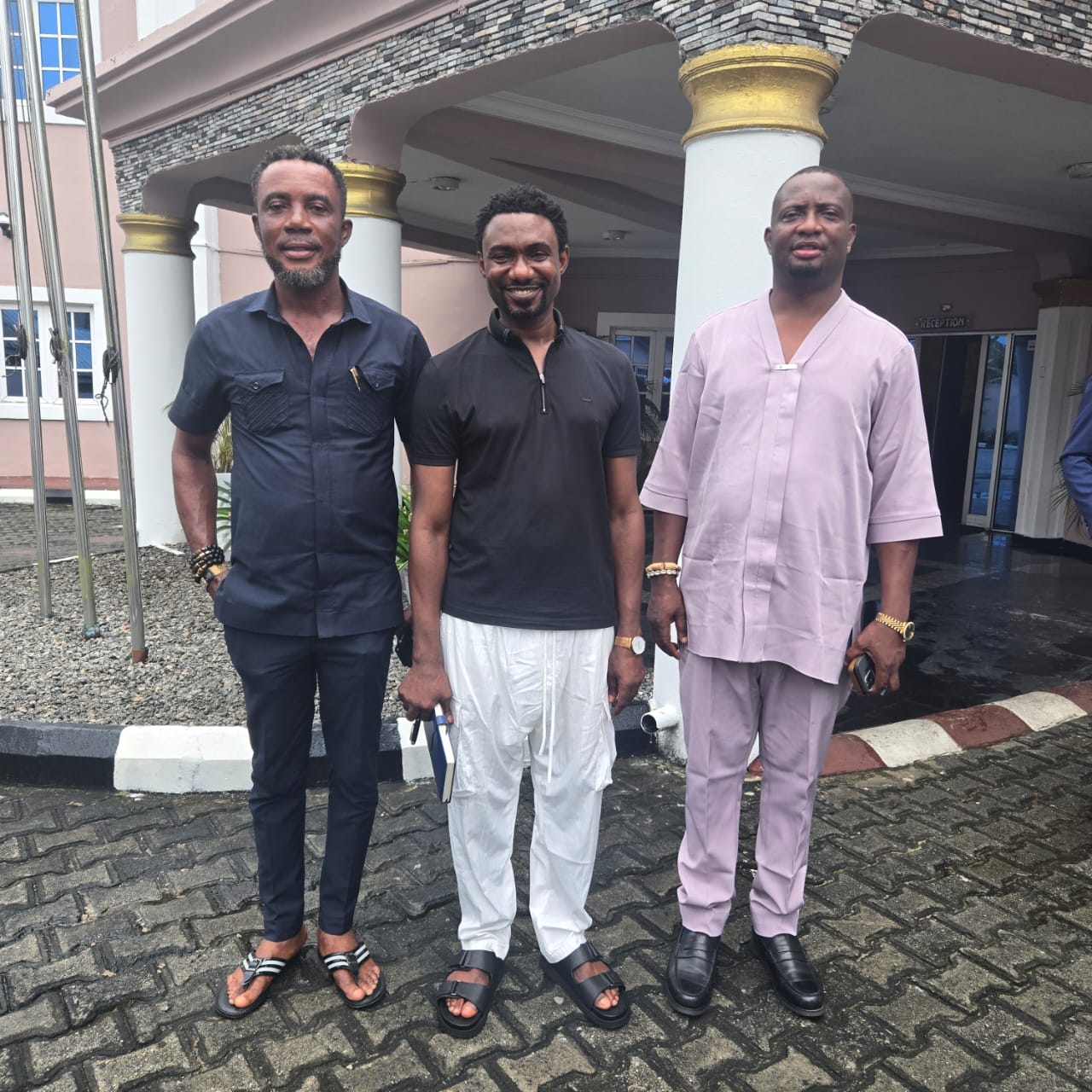
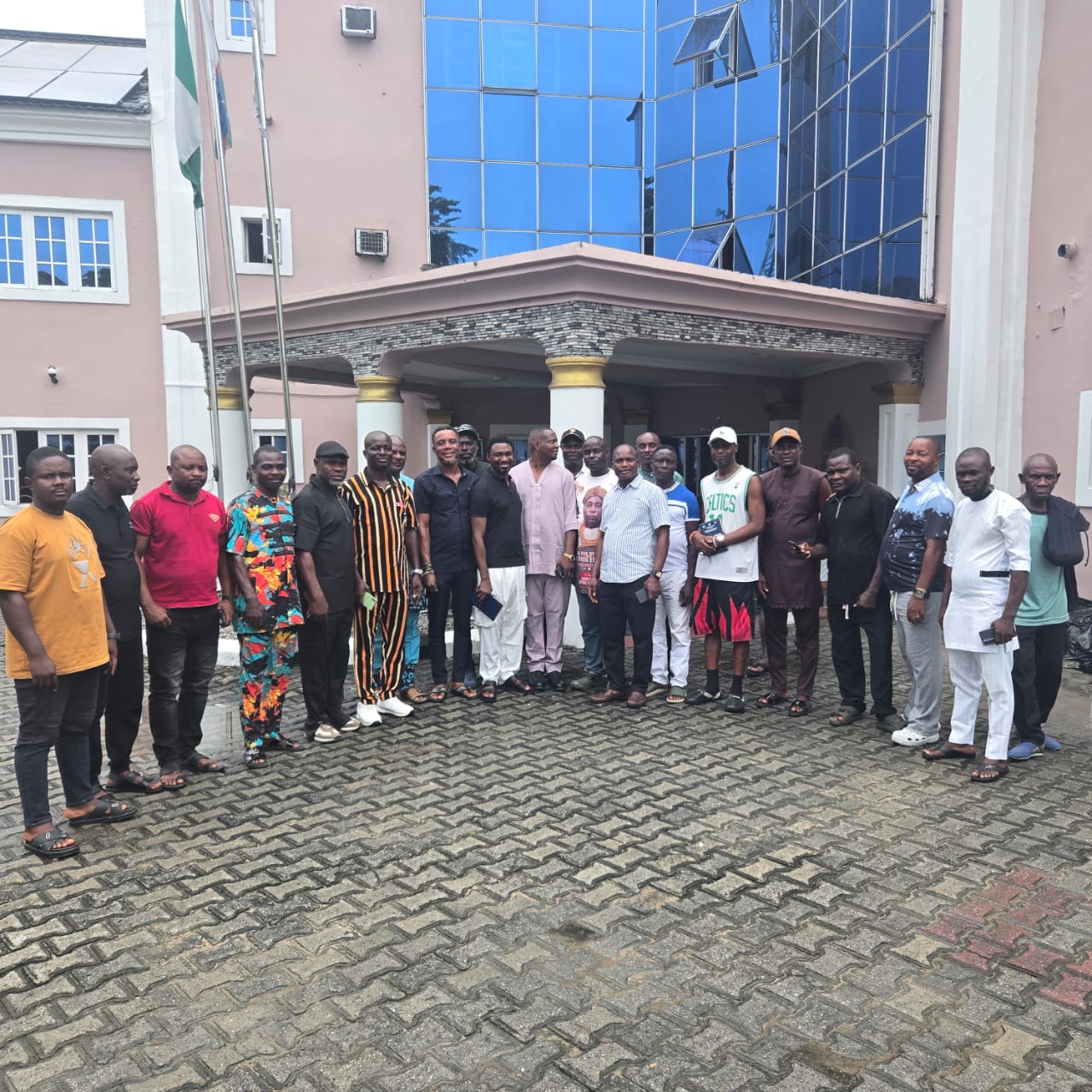
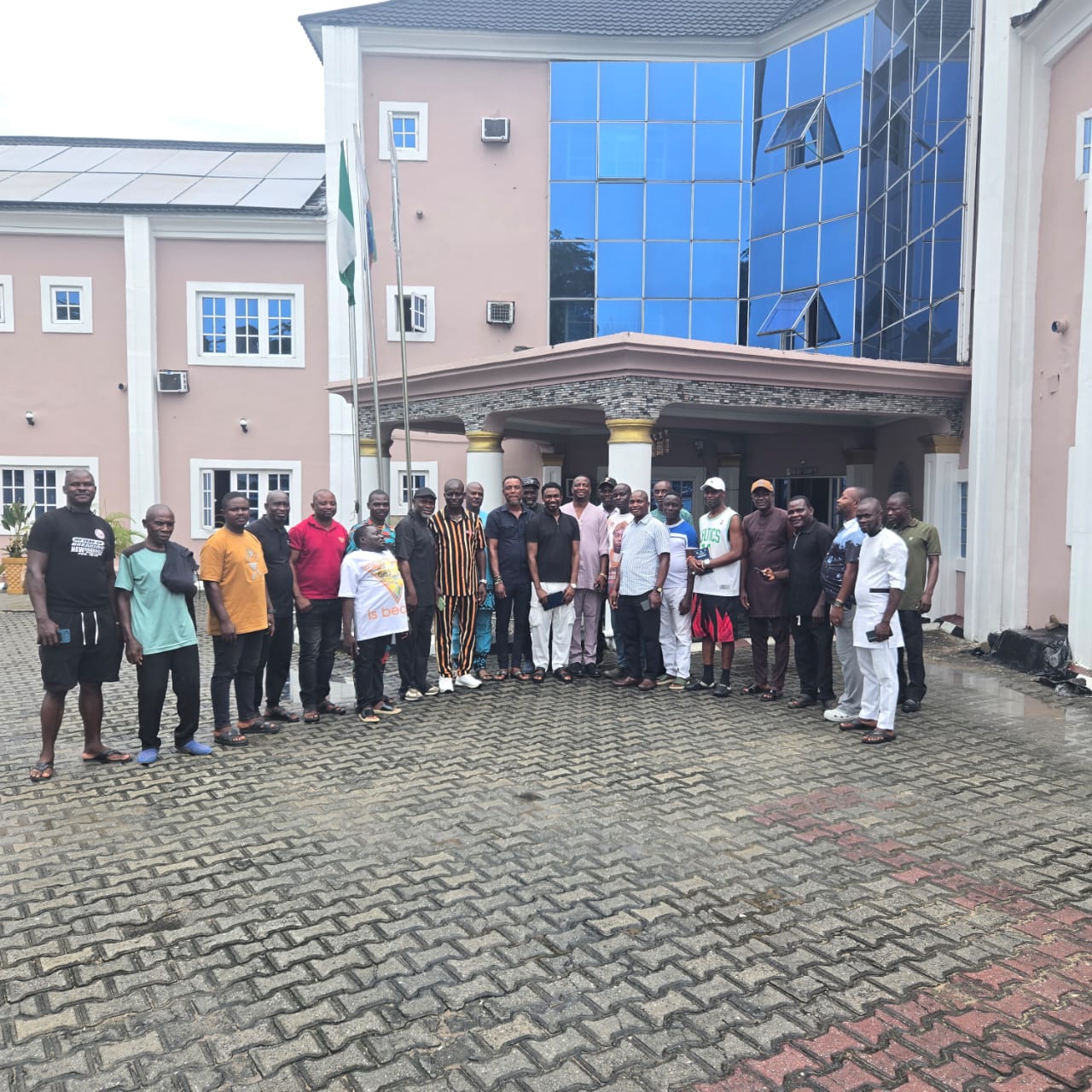
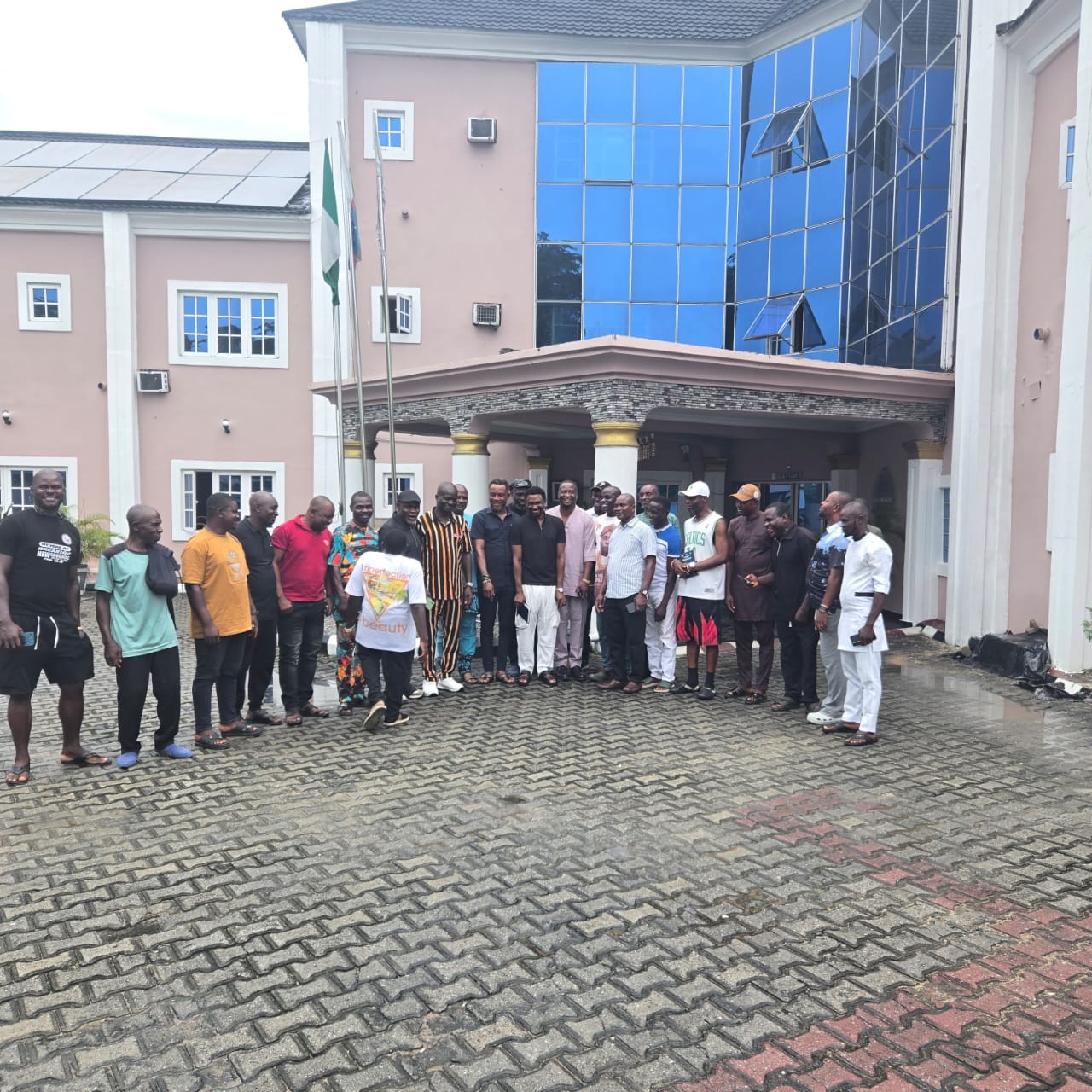
Today in Yenagoa, I had the privilege of presiding over a productive quarterly meeting with leaders, and beneficiaries of Phase 2 of the Presidential Amnesty Program (PAP). This engagement forms part of our continued effort to strengthen leadership coordination, promote unity, and deepen communication across all levels of the program.
During the meeting, I addressed both leaders and beneficiaries on the significant achievements recorded under the administration of Dr. Dennis Brutu Otuaro within a short period in office. His leadership has continued to inspire confidence and deliver meaningful progress for the program.
Our deliberations focused on fostering stronger collaboration among leaders while ensuring that beneficiaries remain aligned with the vision and direction of the program. I urged all leaders to continue guiding their members responsibly, maintaining discipline, and upholding the values of unity and peace.
I also advised all leaders and beneficiaries to remain calm, patient, and optimistic as we look forward to more benefits and well-structured plans from the Administrator. In addition, I cautioned against the spread of fake news and encouraged everyone to rely only on verified information and official directives, especially in a constantly evolving political environment.
I sincerely appreciate the dedication, unity, and unwavering support demonstrated by our leaders and beneficiaries. Your commitment continues to strengthen our collective voice and progress.
In response, the leaders and beneficiaries reassured me of their continued loyalty, commitment to peace, unity, and their readiness to foster stronger collaboration across all structures within Phase 2.
Together, we remain steadfast in our mission to advance the goals of the Presidential Amnesty Program for the benefit of all.